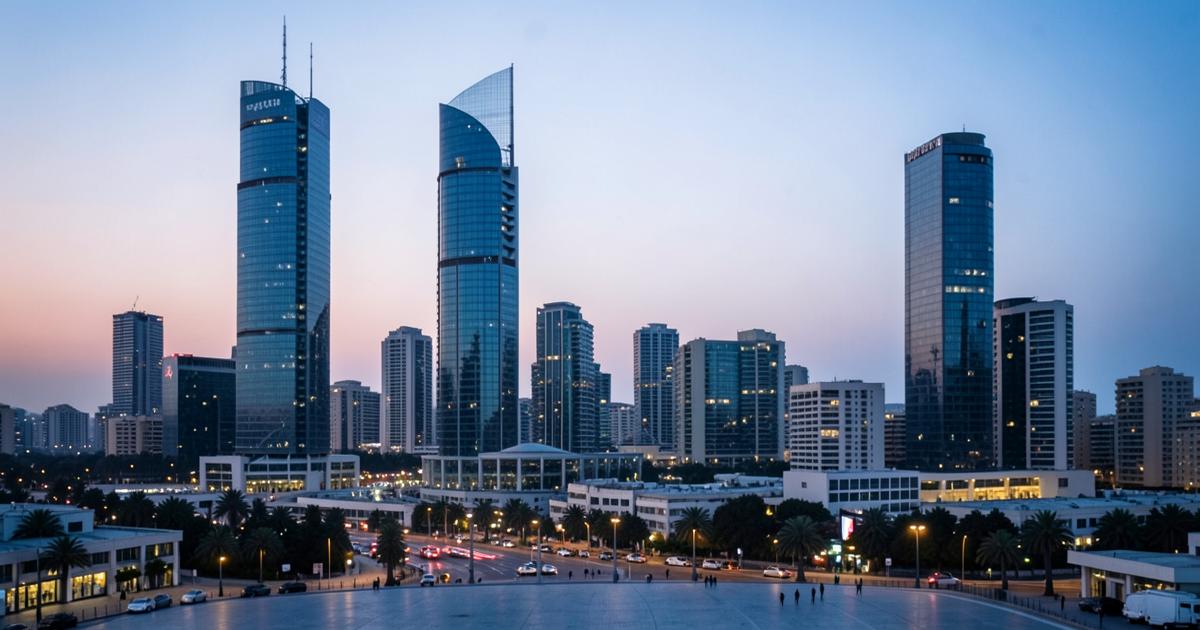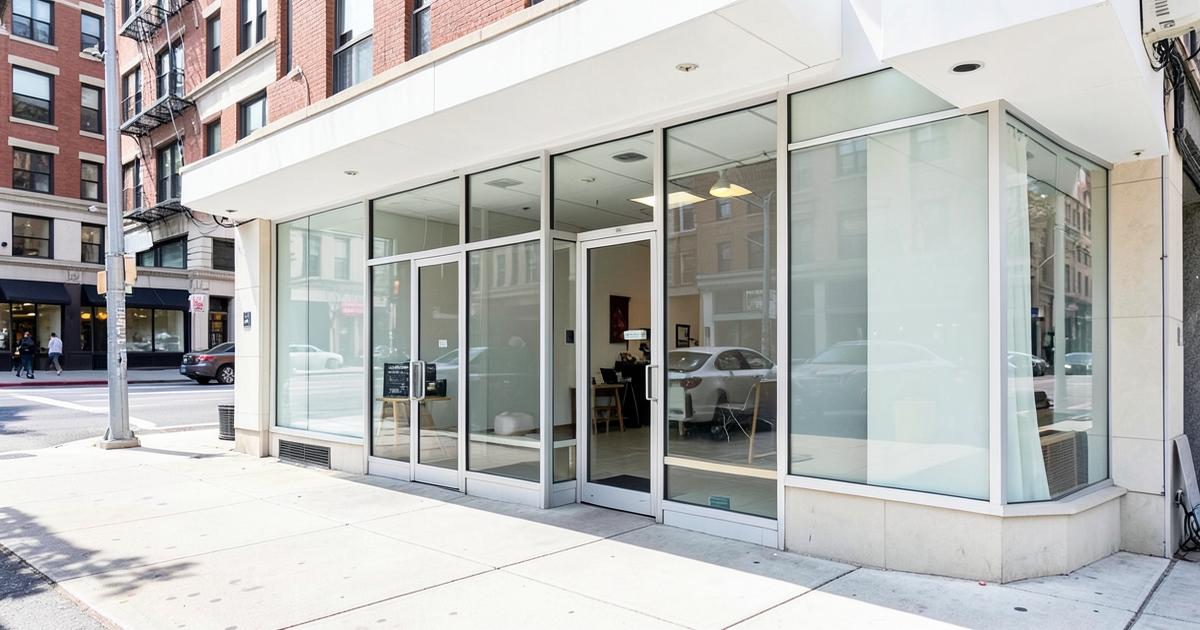
The Israeli office market in 2026 is shaped by two opposing forces. On the one hand, companies want short-term leases and space that can expand or contract. On the other hand, property owners and banks want long-term, predictable cash flow. Flexible workspaces sit precisely at this point of friction.
What Has Changed in Demand
The number of office construction starts has fallen to a multi-year low, while tenants in growing sectors, led by defense and cyber, have taken up significant amounts of space. The result is a divided market: occupied, high-quality buildings are strengthening, while older properties or spaces in secondary locations are struggling to secure tenants on long-term leases.
Three Models for Property Owners
The first model is leasing to a flexible workspace operator. You sign a long-term lease with a workspace operator, which then manages the smaller tenants. The cash flow is straightforward, but it depends entirely on the operator’s financial strength.
The second model is a revenue-sharing agreement. You provide the space, the operator manages it, and the revenue is split. The potential is higher, but you are exposed to occupancy risk.
The third model is self-operation. You divide the floor into small units with services included and lease them directly on short-term agreements at a higher rate per square meter. The return is higher, but it requires real operations, service, and ongoing tenant turnover management.
Flamingo Investor Guidance
Want a team walking this path with you?
We build the plan with you, validate the property before you buy, and manage it afterwards. Intro call is free, no commitment.
Ready for the next step?
Browse available commercial properties or get an offer for leasing out your own space.
Which Model Suits Which Property
A centrally located property with good public transport access is suitable for the small-unit model. A large property in the periphery is better suited to a single tenant on a long-term lease. A common mistake is dividing a property into small offices without building a service and operations system. Tenants then turn over constantly, and the actual cash flow falls below projections.
The Numbers You Need to Understand
A small unit is leased at a higher rate per square meter, but turnover is high, there are ongoing service costs, and vacancy periods are frequent. A long-term lease with a single tenant generates lower cash flow per square meter, but it is stable and also improves the property’s valuation in the eyes of banks and appraisers. The choice is between return and volatility, and there is no single correct answer.
Where We Come In
Flamingo works with the property owner to build the right mix: how much space to lease on long-term agreements, how much to keep flexible, and how to operate the flexible portion without letting it erode profits. Managing this mix correctly improves both cash flow and property value.
Further Reading
Flamingo Investor Guidance
Want a team walking this path with you?
We build the plan with you, validate the property before you buy, and manage it afterwards. Intro call is free, no commitment.