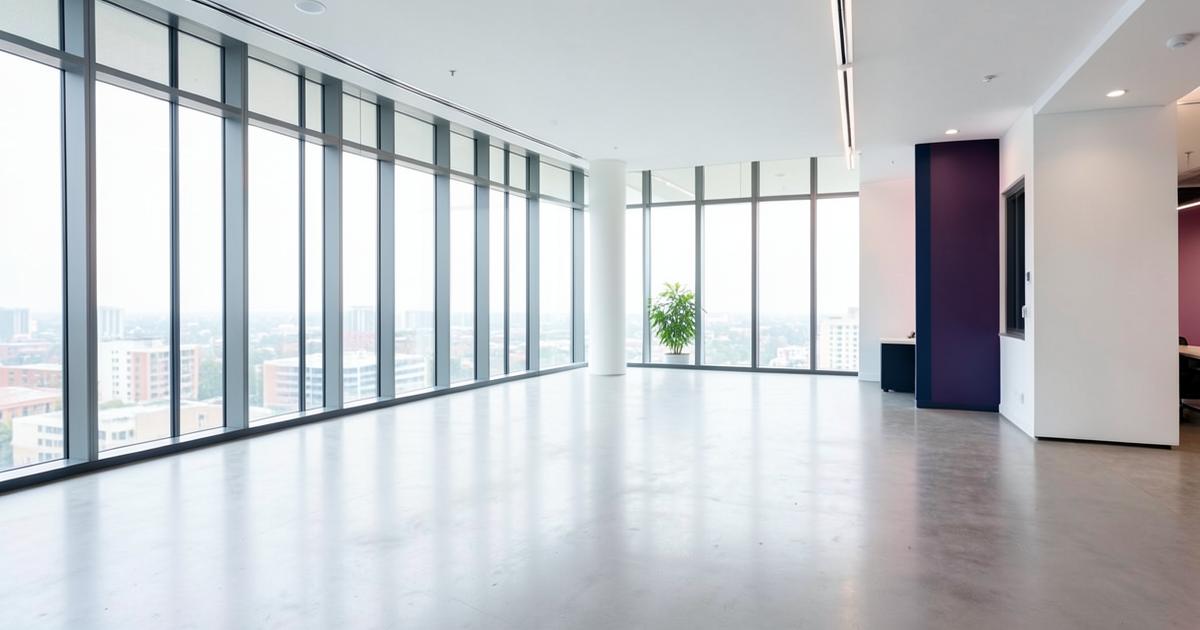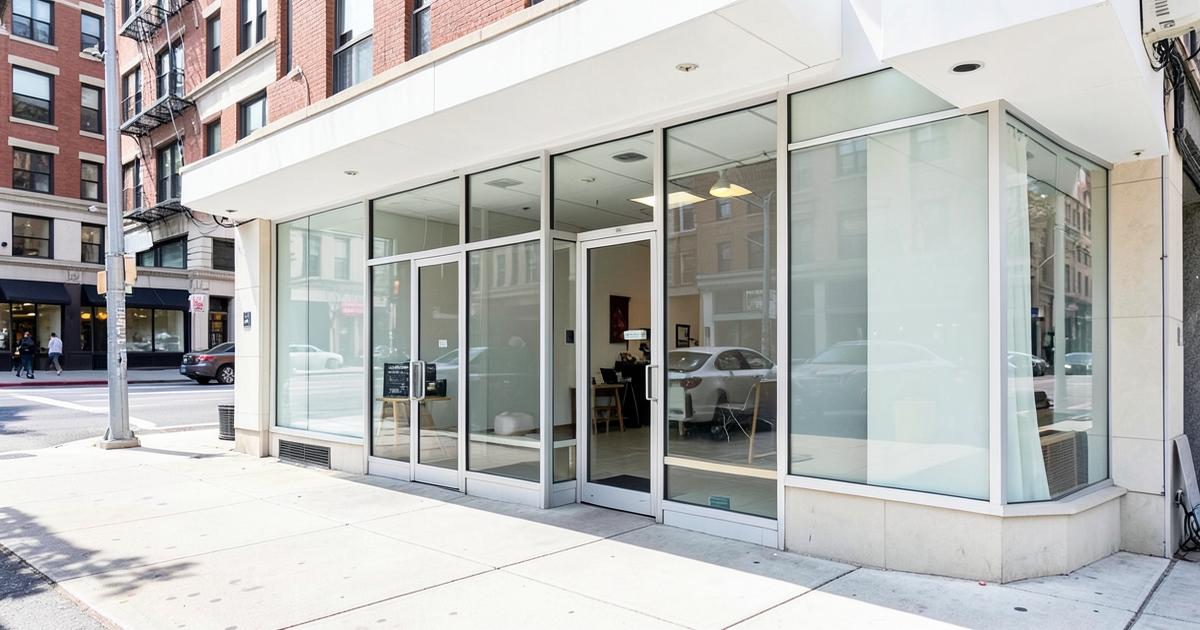
Israel’s commercial real estate market entered 2026 as a selective market. The gap between a high-quality property in the right location and a secondary property has widened, and investors who rely on broad averages are getting almost every metric wrong.
What Actually Happened in the Market
The demand driver in the office market has changed. Defense-tech, cybersecurity and defense companies have become the largest tenants, while civilian high-tech companies are reducing their footprints. According to Colliers Israel data published in the first half of 2026, the area leased by defense companies surged by about 32%, to approximately 140 thousand sqm, and these companies are seeking a further approximately 145 thousand sqm.
NEWMARK NATAM’s review for the first half of 2026 found that office occupancy along Tel Aviv’s main corridors climbed to approximately 99%, particularly along Menachem Begin Road and in Sarona, Azrieli and Yigal Alon. At the same time, older areas of the city, surrounding cities and the periphery showed weakness.
Four Sectors, Four Different Realities
| Sector | Trend in 2026 | Typical gross yield |
|---|---|---|
| Class A offices in central Tel Aviv | Very high occupancy, with prices stable or rising along developing corridors | Approximately 5% to 6% |
| Offices in the periphery and surrounding cities | Oversupply, downward pressure on prices | 6% or more, with occupancy risk |
| Logistics and warehouses | Strong institutional demand, occupancy above 95% | Approximately 6.5% to 7.5% |
| Retail and shopping centers | Highly dependent on the type of center and tenant mix | 6% to 8% |
Why Oversupply Is Not Driving Prices Down Everywhere
Over the past decade, an average of approximately 635 thousand sqm of office space has been built annually in Israel, and over the past five years the pace has risen to approximately 795 thousand sqm. Oversupply exists, but it is not evenly distributed. Demand has concentrated in new, efficient properties near public transportation, so two properties in the same city can have occupancy rates that differ by dozens of percentage points.
Flamingo Investor Guidance
Want a team walking this path with you?
We build the plan with you, validate the property before you buy, and manage it afterwards. Intro call is free, no commitment.
Ready for the next step?
Browse available commercial properties or get an offer for leasing out your own space.
What This Means for Property Owners
The market in 2026 rewards three things: proximity to transportation infrastructure, contractual flexibility and the ability to bring in a tenant quickly. A long-term lease with a stable tenant is worth more than a price increase of a few percentage points, because one month of vacancy wipes out an entire year’s profit.
What This Means for Investors
Investing in commercial real estate requires more capital than an apartment, professional tenant due diligence and genuine cash-flow analysis—not a yield on paper. Data in this market lags because commercial leases are long-term, so reports present a picture of the previous year while the market is already operating differently.
Where to Start
Before looking at a specific property, it is worth resolving three questions: which sector suits your risk profile, how much capital is available after taxes and transaction costs, and who will manage the property on a day-to-day basis. At Flamingo, this is exactly where we start, because this decision determines the yield more than any price negotiation.
Further Reading
Flamingo Investor Guidance
Want a team walking this path with you?
We build the plan with you, validate the property before you buy, and manage it afterwards. Intro call is free, no commitment.