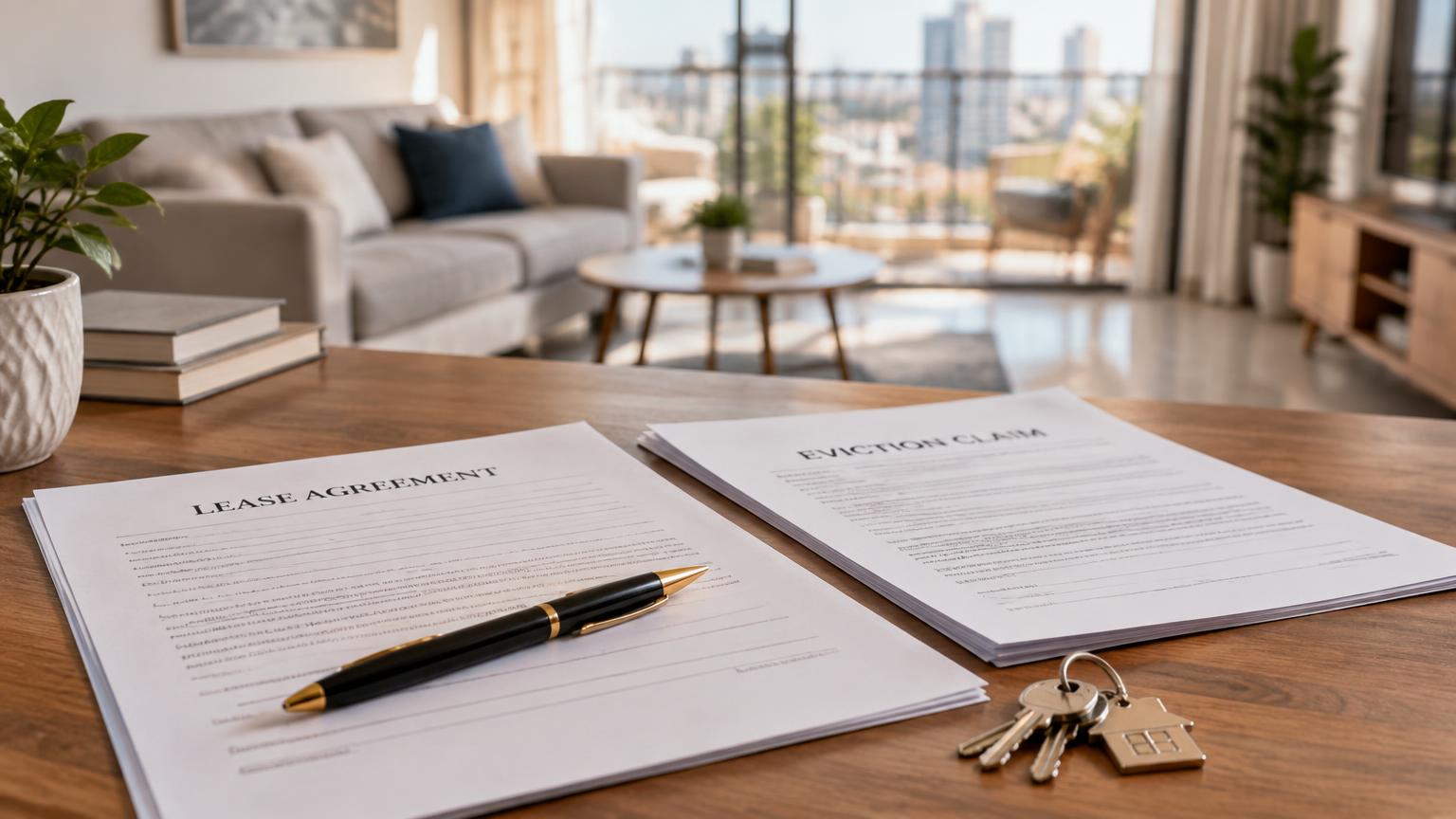
First Things First: What the Fair Rental Law Says About Your Lease
For residential tenancies covered by the law, the lease must be in writing and include specific details required by law, such as the apartment’s description and condition, the lease term, rent, security arrangements and the payments each party is responsible for. Any clause that puts the tenant in a worse position than the law provides is void. In practical terms, a “tough lease” with unlawful clauses does not protect you; it creates a false sense of security. A good lease is precise and makes full use of the protections the law allows.
The 10 Clauses
1. Full Identification of the Parties and Guarantors
Include names, ID numbers, addresses, phone numbers and email addresses for the tenants and guarantors. Without complete details, locating a tenant who has disappeared or serving a claim becomes a lengthy task.
2. Addresses for Serving Notices
Include a clause specifying where notices must be sent, including email and WhatsApp, and stating that notices sent to those addresses are deemed delivered. This small clause can save weeks when you need to send a formal notice or legal documents, especially if you live abroad.
3. Lease Term, Renewal Option and Notice Deadlines
Specify exact start and end dates, the terms of any renewal option and the deadlines for giving notice of its exercise. Clearly stated deadlines prevent disputes over whether the lease has been extended.
4. Rent, Indexation and Payment Method
Set out the amount, the monthly payment date, any indexation mechanism and the payment method, such as a standing order or postdated checks covering the entire term. An organized payment arrangement makes late payments immediately apparent.
5. Definition of a Fundamental Breach
Include a clause defining a payment delay beyond a specified number of days, unpaid bills, subletting without consent or improper use of the apartment as a fundamental breach. This definition significantly strengthens your ability to terminate the lease and seek eviction through the courts.
6. Layered Security Within Legal Limits
Require a deposit or bank guarantee within the statutory cap, alongside a promissory note backed by guarantors. Make sure the bank guarantee remains valid for a sufficient period after the lease ends, and that the clause specifies the grounds for drawing on the security as permitted by law, without an unenforceable “full forfeiture” provision.

Enjoyed the article? Get personal advice on your property
Flamingo's AI advisor answers instantly on ownership, investment and property management questions in Israel
7. Ongoing Bills and Transfer of Accounts to the Tenant’s Name
Require municipal property tax (arnona), electricity, water and gas accounts to be transferred to the tenant’s name at the start of the tenancy, along with an undertaking to provide proof of payment on request. This prevents debts from accumulating in your name.
8. Agreed Compensation for Late Vacating
Specify a daily amount the tenant must pay for each day they delay returning possession of the apartment at the end of the term. The amount must be reasonable in relation to the anticipated loss; otherwise, a court may reduce it. Even a reasonable amount provides a strong incentive to vacate on time.
9. Apartment Condition, Handover Report and Fair Wear and Tear
Attach a schedule describing the apartment’s condition and contents, with photographs, and require the tenant to return it in the same condition, subject to fair wear and tear. This is the foundation for any property damage claim.
10. Early Termination and Subletting
Include a clause defining whether, and under what conditions, the tenant may leave early—for example, by giving advance notice and presenting a suitable replacement tenant—and prohibiting subletting without written consent. This turns a mid-term departure from a crisis into an orderly process.
What Must Not Be Included in a Lease?
- A deposit or bank guarantee above the statutory cap.
- Full forfeiture of security for any breach, regardless of the extent of the loss.
- A unilateral termination right for the landlord alone – a provision allowing the landlord to terminate without a breach is valid only if the tenant has a similar right.
- Charging the tenant for costs the law assigns to the landlord – such as building insurance or repairs to defects that are not the tenant’s responsibility.
- Permission to change locks or disconnect utilities in the event of a breach – such a clause does not authorize taking the law into your own hands.
A Quick Pre-Signing Checklist
- You have vetted the tenant and guarantors: payslips or financial reports, references from a previous landlord and identity documents.
- The security is in place before the keys are handed over, not “next week.”
- The apartment condition schedule is signed and includes dated photographs.
- Utility and municipal accounts are transferred to the tenant’s name on move-in day.
- All parties, including the guarantors, have signed every page and attachment.
- You have scanned copies of the lease and all documents, accessible from anywhere.
A Good Lease Alone Is Not Enough
Even the best lease depends on what happens after signing: proper screening of tenants and guarantors, payment monitoring, prompt action on arrears and appropriate enforcement of its provisions. A lease forgotten in a drawer will not protect you; an actively managed lease will.
Flamingo: The Right Lease, the Right Management
At Flamingo, the lease is part of our comprehensive property management service: we screen tenants and guarantors, draft a legally compliant lease that protects you, transfer accounts to the tenant’s name, monitor payments and act immediately when a breach occurs, providing legal support for tenant evictions in coordination with the legal team we work with.
For service details: Legal Support for Property Owners
About to sign your next lease? Leave your details, and we will make sure your lease works for you—on signing day and when something goes wrong.
The information in this article is general and does not constitute legal advice. Every case is different, and you should consult a lawyer before taking action.
Enjoyed the article? Get personal advice on your property
Flamingo's AI advisor answers instantly on ownership, investment and property management questions in Israel