In commercial real estate, you are not buying square meters; you are buying cash flow. That is why every analysis begins and ends with one figure: net operating income.
Step 1: Effective Annual Income
Start with the contractual annual rent and deduct an allowance for vacancy and collection losses. Even for an occupied property, an allowance of 5% to 10% is a healthy conservative assumption, because leases expire and automatic renewal cannot be assumed.
Step 2: NOI, Net Operating Income
Deduct all operating expenses: municipal property tax (arnona) on vacant areas, building insurance, systems maintenance, management, security and cleaning of common areas, and an ongoing repairs budget. Do not deduct loan repayments or taxes; they are not part of NOI.
Step 3: Cap Rate
The Cap Rate equals NOI divided by the property price. If the NOI is 300 thousand shekels per year and the price is 5 million shekels, the Cap Rate is 6%. This metric makes it possible to compare completely different properties.
Ready for the next step?
Browse available commercial properties or get an offer for leasing out your own space.
Step 4: Comparison with the 2026 Market
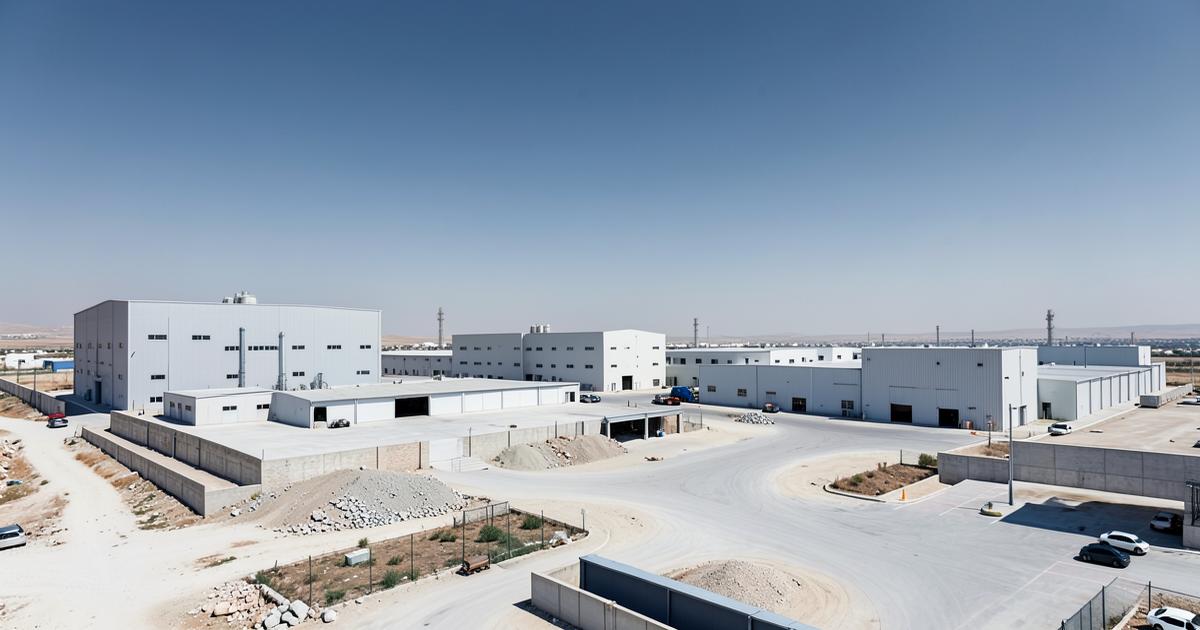
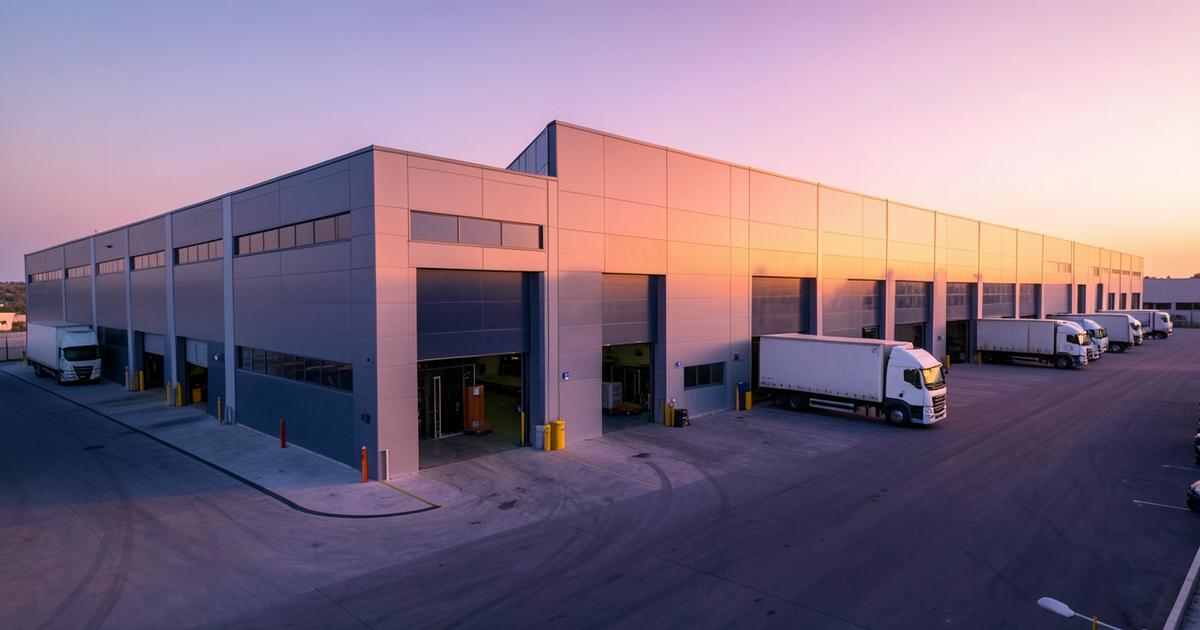
At the beginning of 2026, gross yields on commercial real estate in Israel ranged from approximately 5% to 7%. Logistics properties and warehouses were around 6.5% to 7.5%, while offices in central Tel Aviv were around 5% to 6%. A property advertised with a 9% yield is not necessarily a bargain; it is a warning sign. Look for the reason: a high-risk tenant, an expiring lease, use that is not properly covered by a permit, or a property in the periphery with a limited tenant market.
Step 5: What Turns a Good Yield into a Bad Deal
- Months of vacancy. Three vacant months wipe out approximately 25% of the annual return
- Fit-out costs for the next tenant, which can reach tens of thousands of shekels
- An early termination clause benefiting only the tenant
- Partial indexation or no indexation in a long-term lease
- VAT and payment terms not factored into the cash flow
The Five-Minute Check That Can Save You Years
Ask for the lease, not the listing. Check who the tenant is, when the lease expires, what the options are, which index applies, and who is responsible for repairs. In most cases, these answers affect the pricing more than any negotiation.
The Flamingo team reviews this calculation with investors before signing, using actual data rather than the yield shown in the listing.