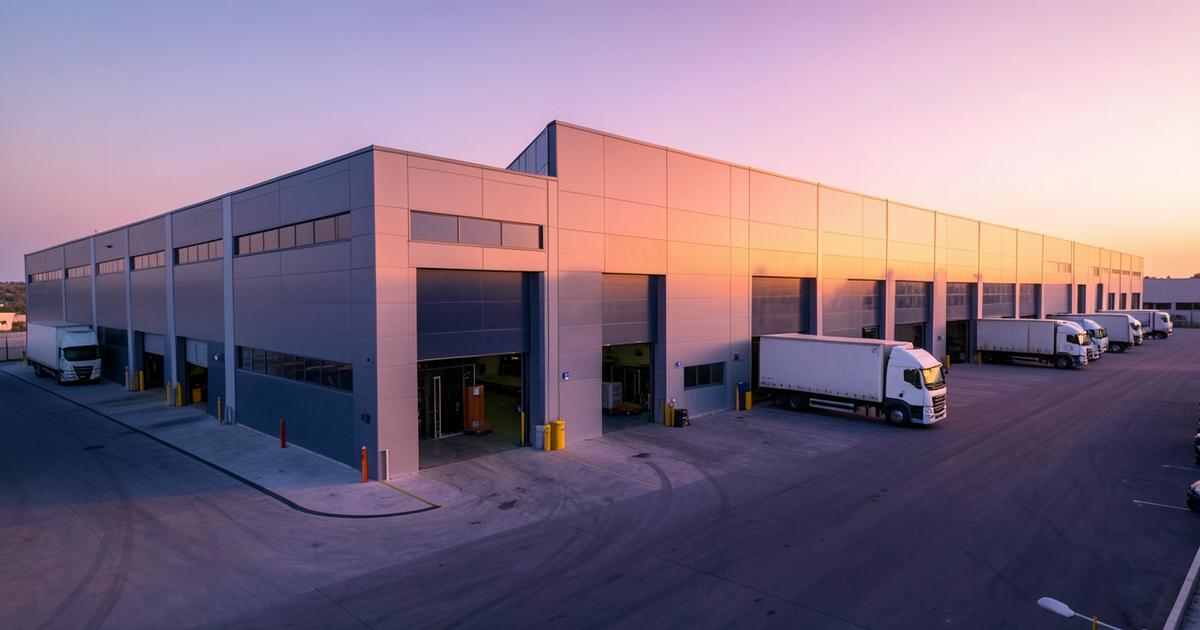
Buying land zoned for commercial or industrial use sounds simple: buy a plot, build, and lease it out. In practice, between signing and the first tenant lies a chain of planning, permits, levies, and infrastructure, and each link can delay the project by years.
Step One: What You Are Allowed to Build
Start with the statutory plan in effect for the property. It specifies the zoning, building rights, number of floors, height, building lines, required number of parking spaces, and permitted uses. A broker's claims about potential are no substitute for a plan. If the value is based on a plan that has not yet been approved, you are buying planning risk, not a right.
Step Two: Who Owns the Land and What Type of Right Is Held
Land in Israel may be privately owned or managed by the Israel Land Authority. A lease includes conditions, renewal dates, permit fees, and payments upon a transfer of rights or change of use. These amounts can be significant relative to the transaction price, so they should be clarified in advance.
Step Three: Costs Few People Account For
Development levies and building permit fees, betterment levy upon realization, infrastructure connections for electricity, water, and sewage, road and pavement development, and sometimes protective measures. Industrial projects also face environmental and regulatory requirements that increase construction costs. Add all of these to the construction cost per square meter, then compare the total with the value of the completed property.
Ready for the next step?
Browse available commercial properties or get an offer for leasing out your own space.
Step Four: A Realistic Timeline
Planning and permitting in industrial zones can take many months or even years, with construction adding more time. A cash flow forecast that assumes income in the first year is almost always wrong. Build in a time buffer, because financing costs during construction are a real expense.
When Land Is a Worthwhile Investment
When there is a sufficient gap between the land price plus total development costs and the value of the income-producing property in the area, and when there is proven tenant demand. In logistics areas with strong demand, a build-to-suit project for a tenant who has already signed a binding commitment is one of the best deals in the market. Without a tenant and without a planning review, it is a gamble.
How We Support You
We review the plan, the type of right, and the levies, and prepare a complete development cash flow before the purchase. If the margin is not large enough, we will say so clearly.